Commercial roofing contractor · South Florida Plan for the building.
Commercial roofing with the whole property in view.
Perkins Roofing installs, replaces, repairs, coats and maintains roofs on condominiums, offices, retail and warehouses across South Florida, from offices in Miami and Jupiter. Send the property address and what you are seeing, and we will set up a commercial roof assessment.
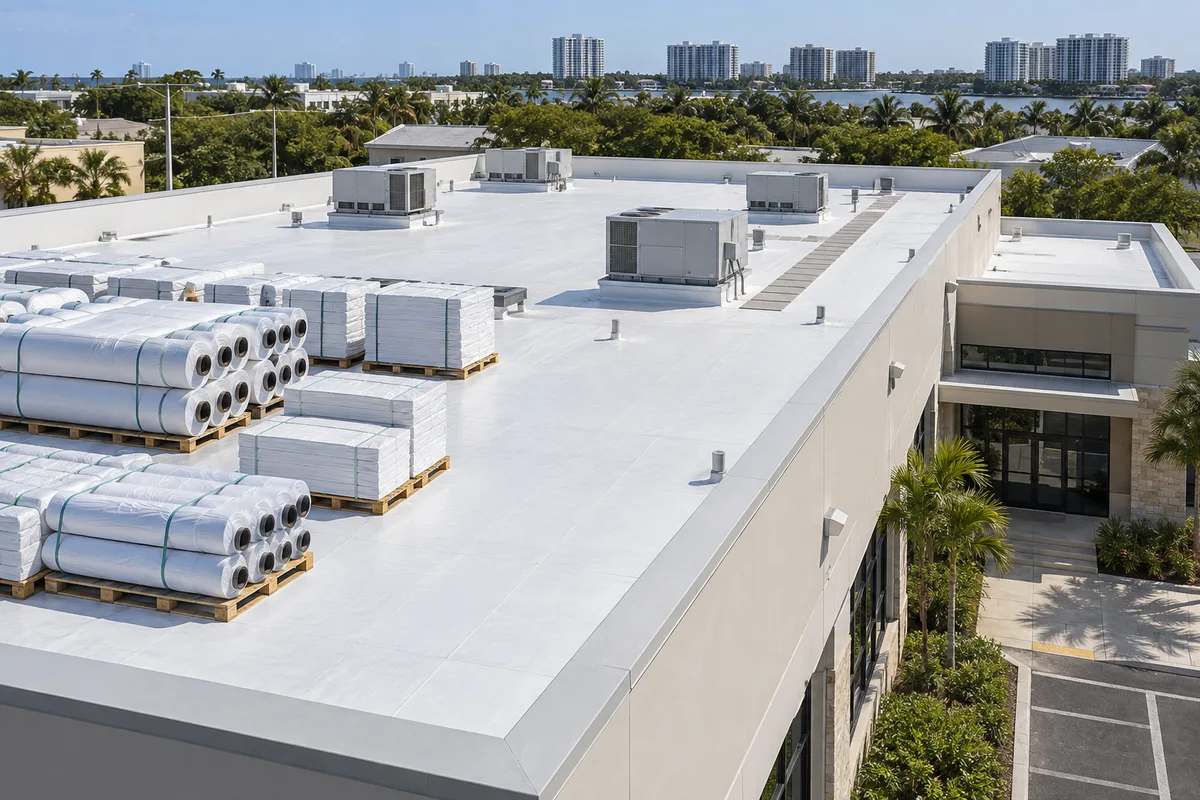
A documented TPO re-roof on a two-story commercial building of approximately 7,300 square feet, with membrane, drainage and transition detailing central to the scope.
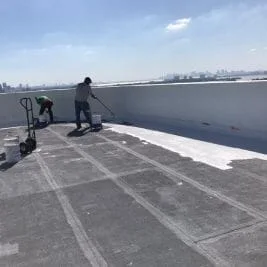
A documented roof-restoration project on a 22-story oceanfront condominium tower, where exposure at height and occupied-building logistics drive the plan.
Bal HarbourDirect oceanfront exposure
22 storiesHigh-rise condominium
RestorationExisting roof system scope
Commercial roofing
The right scope starts with the property.
Installation, replacement, repairs, coatings and maintenance each answer a different condition. Building use and access help determine how that scope is delivered.
Condominiums & multifamily
Help boards and property managers define a consistent scope, resident access and phased capital planning. Bring prior reports and reserve requirements.
Coordinate work above occupied businesses, hotel rooms and shared entries. Discuss delivery hours, noise, parking and weather protection.
Warehouses & industrial
Review large roof areas, long drainage paths and equipment service routes. New construction and replacement need clear interfaces with the other trades.
Medical, institutional & campuses
Consider operating restrictions, sensitive interiors and multiple buildings. Rank roof conditions before deciding where the first investment belongs.
Repair & roof maintenance
Investigate leaks, storm damage, seams and perimeter defects. Establish a maintenance scope around drainage, penetrations and service traffic.
Compare replacement, targeted renovations and a compatible coating where the existing roof’s condition allows it. Moisture and adhesion checks inform that choice.
Follow the roof from condition assessment to closeout. These studies show planning priorities; the final assembly and sequence are specific to your property.
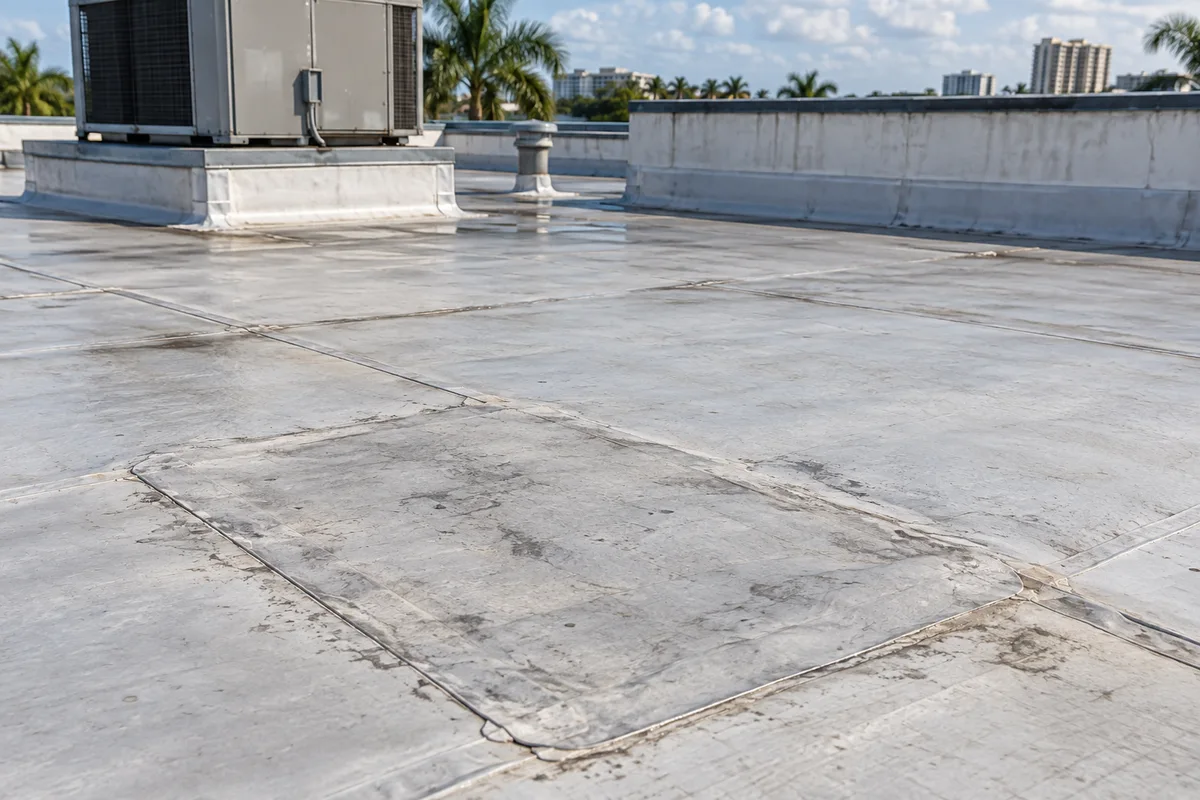
Existing condition · seams, repairs and roof history
01 · Condition
Understand what is already there.
Start with the roof history, interior leak locations and a review of the field, edges and penetrations. Discuss whether core samples or a moisture survey are needed.
Map recurring leaks and prior repairs.
Review roof age, permit history and existing layers.
Identify wet areas and damaged substrates.
What to clarifyA documented basis for repair, restoration or replacement.
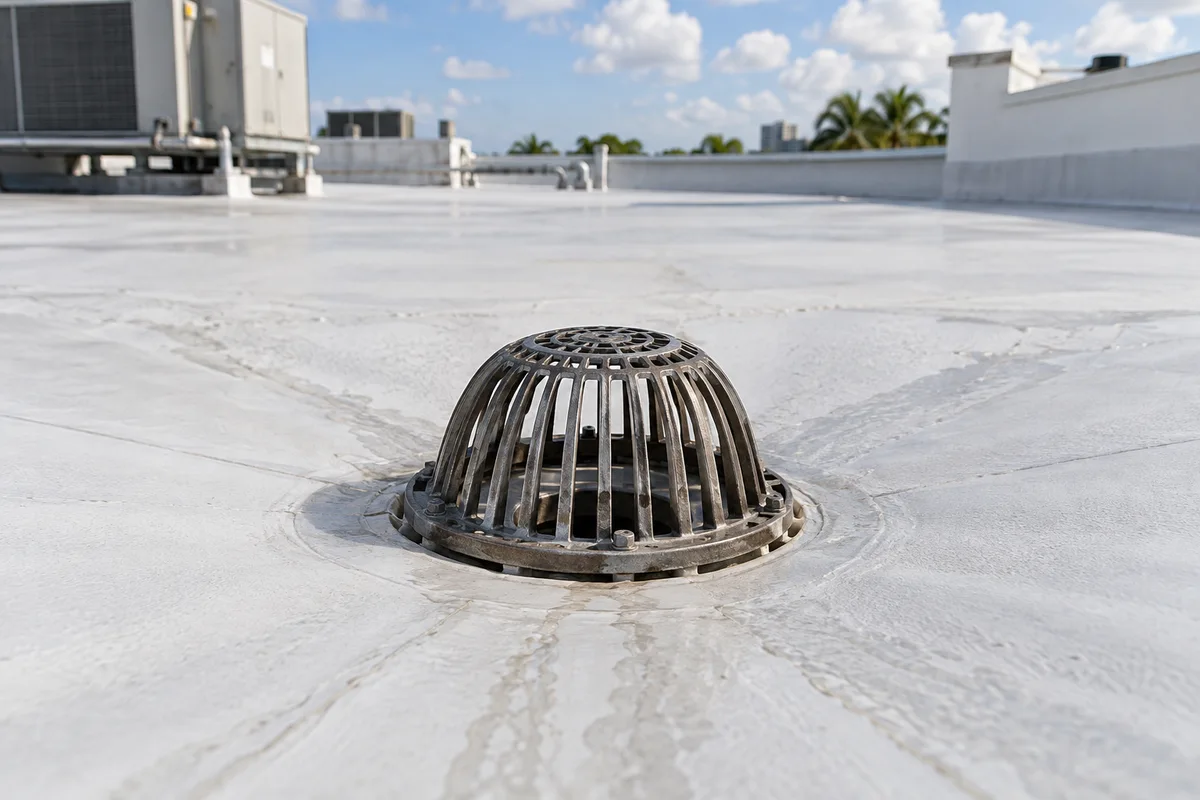
Drainage · a clear route off the roof
02 · Drainage
Follow the water to its exit.
Review drains, scuppers, overflows and ponding locations together. Rooftop equipment and penetrations interrupt the waterproofing and need their own details.
Check outlets, obstructions and discharge routes.
Coordinate equipment curbs and mechanical access.
Review parapets, coping and membrane terminations.
What to clarifyA scope that includes the field and the details around it.
System selection · compare materials, then the complete assembly
03 · System
Choose an assembly that fits.
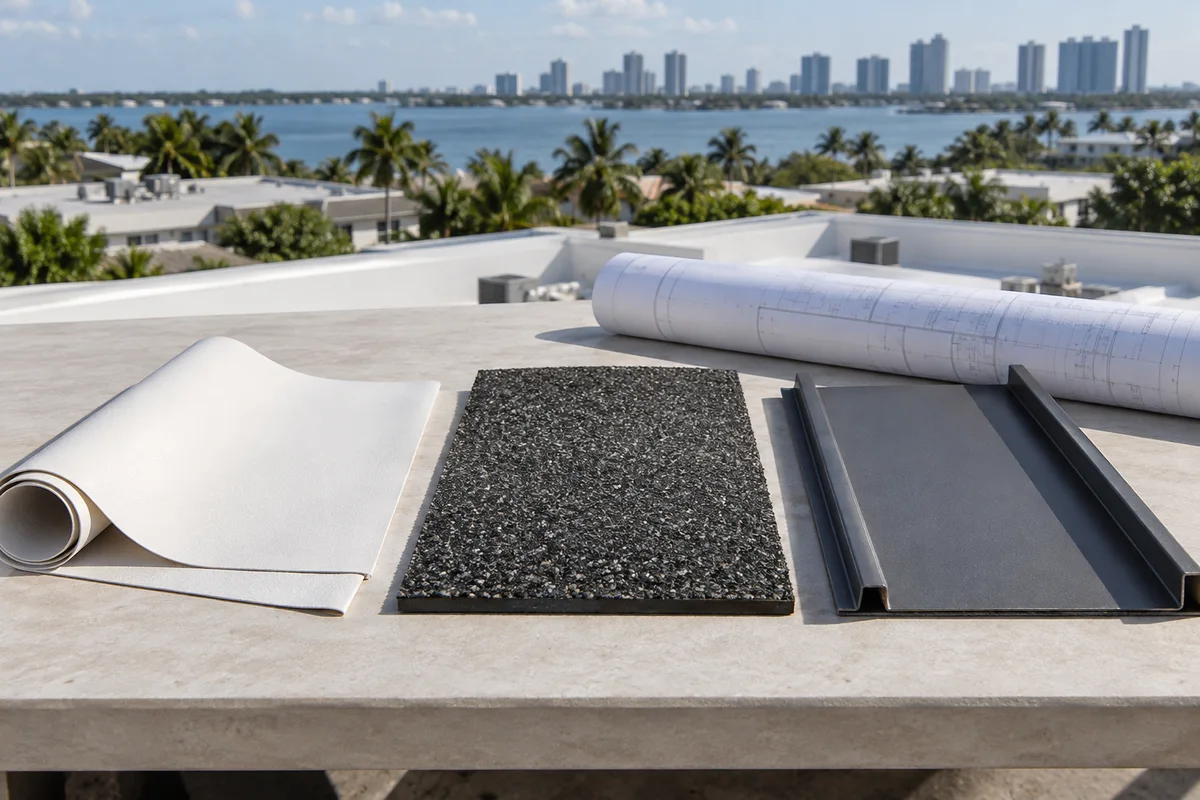
Single-ply membranes, modified bitumen, built-up roofing, metal and compatible coatings serve different conditions. Compare attachment, substrate, drainage and maintenance needs.
Confirm product approvals and installation limitations.
Check coating suitability before committing to restoration.
Resolve applicable energy and fire requirements with the design team.
What to clarifyComparable specifications, exclusions and warranty terms.
Work planning · staging, service access and the building below
04 · Delivery
Keep the building in the plan.
Occupied-building work needs agreed staging, hoisting, access and communication. Plan inspection hold points and weather protection before opening a roof section.
Agree noise windows, tenant notices and protected routes.
Sequence the roof areas with the permit and weather plan.
Collect completion records and maintenance instructions.
What to clarifyA coordinated phasing plan and a clear closeout list.
Installation process
Commercial Roof Installation: Tear-Off to Final Inspection
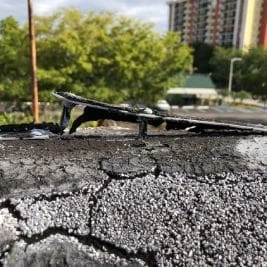
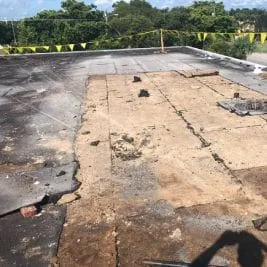
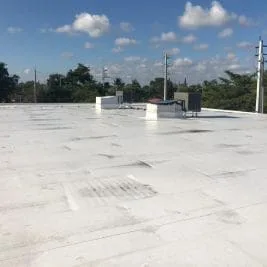
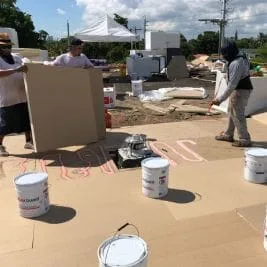
A commercial re-roof follows the same order on most low-slope buildings. The Fort Lauderdale TPO project record at the top of this page shows four of these stages: before, tear-off, insulation and the finished roof.
1. Permit and approved assembly
The roof permit is issued before work starts, for a specific assembly: membrane, insulation, cover board, fasteners or adhesive, each with its product approval. In Miami-Dade and Broward (the High Velocity Hurricane Zone) the building department also reviews the attachment design.
2. Tear-off
The existing roof is removed down to the deck, one section at a time, so only what can be dried in the same day is left open. Wet insulation and damaged layers come off with it.
3. Deck
With the deck exposed, damaged or deteriorated areas are identified and repaired or replaced before anything new goes down. Deck repairs are often priced as an allowance because their extent is unknown until tear-off.
4. Insulation and cover board
Insulation boards, and tapered insulation where drainage needs slope, are fastened or adhered to the deck as the approved assembly specifies, often topped with a cover board that gives the membrane a firm, even base.
5. Membrane
The waterproofing layer goes on: TPO sheets with heat-welded laps, or modified bitumen plies, attached in the pattern the approved assembly requires at the field, perimeter and corners.
6. Flashing, edges and drains
Most leaks start at details, so curbs, pipe penetrations, parapet walls, coping and edge metal, drains and scuppers are flashed and terminated as part of the system, not as extras.
7. Inspections and closeout
The building department inspects at the stages the permit requires, and the job closes with a final inspection. Owners should receive the closeout records: permit, product list, as-built notes and maintenance instructions.
Before the estimate
Bring the property. We’ll talk through the scope.
A useful first conversation starts with the address, the concern and what you want to achieve. Existing records help, but you do not need all the answers to begin.
Property conditions, product limitations and local review affect the final scope. Confirm what applies before work is authorized.
Approvals & inspections
Miami-Dade and Broward fall within the High Velocity Hurricane Zone. Confirm the adopted code, product approvals and inspection stages with the building department for your address.
Phased roof work
Repair-area rules depend on roof-section history and applicable exceptions. Have the permit history reviewed before assuming a partial scope requires the rest of the roof to be replaced.
Coastal operation
Review corrosion at metal, fasteners and equipment supports. Provide protected walking routes where technicians service rooftop equipment.
Check the supporting guidance.
Official and industry references inform the discussion. The project team confirms requirements for your permit and assembly.
Often, but occupancy must be assessed for the actual scope. Agree access, noise windows, material handling, temporary protection and communication before work starts. Some areas or activities may require restrictions.
Should we recoat or replace?
A coating is an option only where the existing roof and the proposed system are compatible. Wet insulation, substrate damage, failed details or poor drainage may require other work. Discuss testing and preparation before accepting a coating proposal.
Which commercial roof systems can we discuss?
Single-ply membranes, modified bitumen, built-up systems, metal and fluid-applied restoration are part of the scope conversation. The roof geometry, deck, existing conditions and approved assembly determine suitability.
How does a board compare proposals?
Start with a condition assessment and a written scope that every bidder can price. Compare the assembly, detail work, deck allowances, access, phasing, exclusions and warranty conditions. Independent roofing consulting is also available to discuss.
Does a partial repair trigger a full replacement?
Not automatically. Florida law includes an exception for qualifying roof systems or sections built, repaired or replaced under the 2007 Florida Building Code or later. The roof’s documented history and the permitting authority determine how the rule applies.
What about energy, fire and rooftop equipment requirements?
The design team and permitting authority should confirm applicable reflectance, insulation and fire classification requirements. Equipment curbs, supports, penetrations and service routes also need to be included in the roof scope.