
Deck & structural support
Review the existing deck, damaged areas, attachment and the structure supporting the proposed covering. The project documents determine repairs and fastening.
Architectural shingle roofing.
A practical roof choice deserves a carefully specified installation. Explore architectural asphalt shingles with Perkins, from the first material comparison to the fastening and flashing details beneath the finished surface.
Discuss your shingle roof Explore the roof system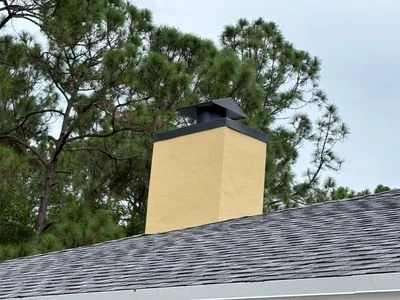
★ 4.8 · 5.0228 Google reviews · Miami 4.8 · Jupiter 5.0
CCC1331944Active Florida certified roofing contractor license
Since 1980FRSA & RCASF member · Polyglass contractor
Explore Perkins projects ↗Four decisions behind the finish
A covering is part of an assembly. Explore the questions that turn a material preference into a more complete project conversation.
01 / Scope & choice
Consider architectural style, budget and the condition of the existing roof together. Shingle selection is only one part of a replacement proposal.
02 / Underlayment
The shingle courses shed rain while underlayment and flashing provide additional protection. Valleys, wall junctions and pipe penetrations deserve their own details.
03 / Nails & starter
Fastener placement, starter strips and sealant bonds affect wind performance. Follow the product approval and installation instructions for the project jurisdiction.
04 / Condition & care
Granule loss, curling, missing tabs and leaks warrant assessment. Widespread deterioration and a localized defect call for different conversations.
Material & assembly guide
Six parts of the conversation, from structure to attic conditions. This explains their roles; exact products, dimensions and installation are defined in the project documents.
Review the existing deck, damaged areas, attachment and the structure supporting the proposed covering. The project documents determine repairs and fastening.
Identify the approved approach to deck seams and water resistance. Some systems combine functions; these are not necessarily six separate installed layers.
Coordinate the approved underlayment method with roof slope, deck and the selected shingle system. Do not treat it as a substitute for the covering or flashing.
Coordinate valleys, wall transitions, penetrations and eave details so water has a continuous path off the roof.
Laminated asphalt shingles are installed in overlapping courses. The product approval and installation instructions determine fastening, starter and sealing details.
Review moisture, insulation and the existing attic design. Ventilation details must suit the assembly; a sealed attic requires a different approach.
Workmanship
Product selection and installation work together. These are useful items to compare across proposals.
Fasteners must land in the specified nailing zone and be driven correctly. Count, placement and penetration are assembly requirements, not optional upgrades.
The starter course helps connect the first field courses at the roof edge. Use the approved starter and the detailing required by the system.
Review valleys, wall flashing and penetrations independently of the shingles. A localized flashing defect may be repairable without replacing the whole roof.
Shingle sealant bonds contribute to performance. Installation conditions and manufacturer instructions determine whether additional sealing steps are needed.
An informed next step
A material choice should support the building, your priorities and the actual findings. Bring the address, leak history, existing reports and any association requirements.
Request a roof conversationSun and heat age asphalt; granules help protect its surface. Salt exposure also matters to the metal flashing and fasteners. Wind-driven rain makes underlayment and edge detailing especially relevant.
Localized damage may be repairable, but brittle surrounding shingles and unavailable matches can expand the work. Widespread deterioration needs a broader assessment; photographs alone cannot establish remaining life.
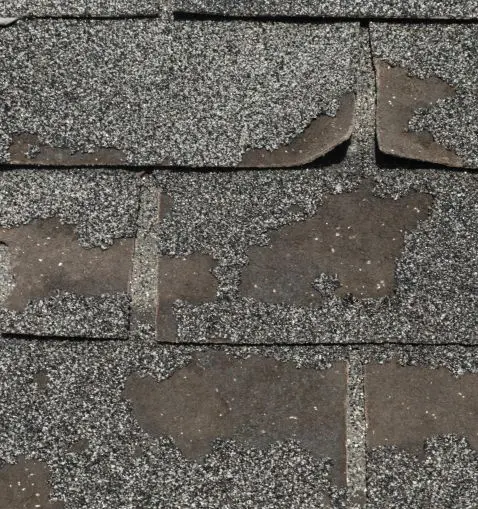
Know the signs
Granules protect the asphalt surface. Visible loss, cracking or curling is a reason to arrange an assessment—not a complete diagnosis from a photograph.
Share photos taken safely from the ground, the age of the roof if known, and where you have seen water. Leave roof access to a qualified professional.
Explore roof inspections ↗Practical answers
Material fit, maintenance, local requirements and the details worth asking about.
Explore the roofing article archive ↗Exposure, product, installation, attic conditions and maintenance all affect service life. A warranty term is not a remaining-life assessment. Have the covering, flashings and surrounding roof evaluated before deciding whether repair or replacement is appropriate.
A rating applies to a tested assembly installed under its requirements. Fastener placement, required starter details, sealed courses and the condition of the roof affect actual performance. A product label is not a guarantee against storm damage.
It can be, if the selected assembly suits the building, exposure and local requirements. Compare the installed scope, appearance, maintenance and budget against tile or metal, then confirm the approved product and installation details.
Miami-Dade’s published 2023 code-change guidance describes a minimum of six approved nails or fastening devices per shingle in the HVHZ, together with product-approval requirements. The selected assembly, current code and local review determine the complete fastening and edge detail.
Ask for the product approval and roof-assembly listings applicable to your building. Wind performance and fire classification are different requirements, and both depend on installation details. A generic brand or marketing rating is not enough.
Granule loss, exposed asphalt, curling, cracking, brittle courses or missing tabs may indicate deterioration. Their cause and extent need assessment; a patch of missing granules alone does not establish that the whole roof must be replaced.
Sometimes. The surrounding shingles need to remain workable, and replacement materials and approved repair details must be available. Color matching may be imperfect. Inspection determines whether a localized repair is sensible.
Attic moisture and temperature are part of the roof assessment. Ventilated assemblies need an appropriate intake and exhaust arrangement; sealed attics require a different design. Review the existing construction rather than adding vents without a plan.
My Safe Florida Home offers inspections and grants for eligible wind-mitigation improvements. Eligibility, funding and application steps can change. Check the official program before committing to work; a roof proposal does not establish grant approval or reimbursement.
Confirm the current requirements for your address and the exact proposed assembly. These references support the questions above; they do not approve a specific roof.
Google reviews
★ 4.8 Miami · 175 reviews★ 5.0 Jupiter · 53 reviews
“Forget about calling anyone else Perkins is the best in my opinion.”
“Quality of their work was outstanding. Extremely happy with these guys.”
Reviews from Google Maps. All Miami reviews ↗All Jupiter reviews ↗
Your next roof starts here
Speak with Miami or Jupiter about your shingle roof, priorities and next steps.
Discuss your shingle roofScope, products, price, availability and applicable warranties are confirmed for your project.
Miami office
305-642-7663 — call the Miami officeMonroe · Miami-Dade · Broward
Jupiter office
561-559-7663 — call the Jupiter officePalm Beach · Martin · St. Lucie
Page updated