
Miami Beach · Coating restoration
A silicone coating system applied to extend an existing low-slope roof.
Fort Lauderdale · Commercial TPO
A documented TPO re-roof on a two-story commercial building of approximately 7,300 square feet, with membrane, drainage and transition detailing central to the scope.
Fort Lauderdale · Commercial TPO · complete briefing
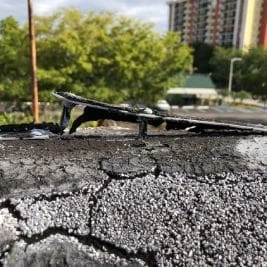
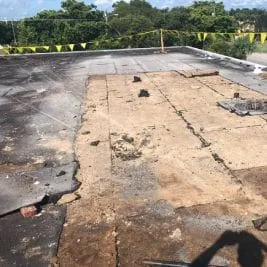
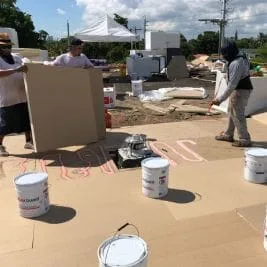
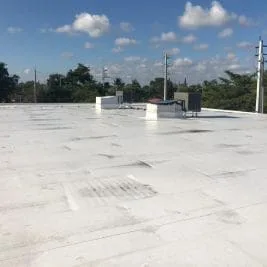
Perkins re-roofed a two-story commercial building near downtown Fort Lauderdale with a TPO membrane system. The published project record describes approximately 7,300 square feet of roof area.
The project photographs and these building facts give commercial owners a concrete example to discuss when comparing a low-slope re-roof. The relevant starting points are the existing roof condition, drainage, rooftop equipment and access.
For a similar building, ask the contractor to identify the complete proposed assembly and explain how it fits the existing deck, drainage and wind-design requirements. “TPO roof” alone does not define the whole scope.
Explore commercial roofing in Fort Lauderdale or bring your building details to the Perkins team for a comparable scope.
Miami Beach · Coating restoration
A silicone coating system applied to extend an existing low-slope roof.
Flat roof · Residential
Drainage, membrane, and flashing detailing on a low-slope residence.
Bal Harbour · High-rise restoration
Staged roof restoration on a 22-story oceanfront tower.
Free estimate
Request a commercial roof inspection — both offices take estimate calls.